
Mexico is far more than sunny beaches, tacos, and ancient pyramids. It is a vast country shaped by powerful civilizations, dramatic landscapes, remarkable biodiversity, and traditions that have influenced the entire world.
These interesting facts about Mexico reveal how Indigenous knowledge, Spanish colonial history, modern innovation, and regional identities exist side by side. Mexico gave the world foods such as chocolate, tomatoes, vanilla, and maize. It also contains deserts, rainforests, volcanoes, coral reefs, and some of the largest cities in the Americas.
From the floating gardens of Xochimilco to the monarch butterflies of Michoacán, every region tells a different story. The following facts explain not only what makes Mexico unique, but also why its history, environment, food, languages, and cultural heritage continue to matter today.
Quick Answer: Interesting Facts About Mexico
Mexico is a culturally and biologically diverse country in southern North America. It is known for ancient Maya and Mexica civilizations, 36 UNESCO World Heritage properties, dozens of Indigenous languages, world-famous cuisine, active volcanoes, rich marine ecosystems, and a population of about 132 million people. Its influence can be seen globally in food, art, music, science, agriculture, and popular culture.
Quick Facts About Mexico
| Topic | Quick Fact |
| Official name | United Mexican States |
| Capital | Mexico City |
| Location | Southern North America |
| Area | About 1.96 million square kilometers |
| Population | About 131.9 million in 2025 |
| Government | Federal presidential republic |
| Currency | Mexican peso |
| Political divisions | 31 states and Mexico City |
| Widely spoken language | Spanish |
| Indigenous languages | Dozens of officially recognized linguistic varieties |
| Highest mountain | Pico de Orizaba |
| UNESCO World Heritage properties | 36 |
| Independence began | September 16, 1810 |
| Independence completed | 1821 |
| Fun fact | Mexico introduced many globally important foods, including maize, chocolate, tomatoes, chilies, and vanilla |
Population estimates vary according to methodology. Mexico’s 2020 national census counted 126,014,024 residents, while the World Bank’s 2025 estimate places the population at approximately 131,946,900.
1. Mexico’s Official Name Is the United Mexican States
The Fact: Mexico’s formal name is Estados Unidos Mexicanos, or the United Mexican States. The name reflects its federal system, in which individual states share power with a national government.
Why It Matters: Mexico is not governed as one single administrative unit. Its 31 states have their own constitutions, legislatures, and local authorities, while Mexico City forms a separate federal entity.
Did You Know? The shorter name “Mexico” comes from Mēxihco, a Nahuatl name associated with the Mexica people and their capital region.
Additional Context: Historians continue to debate the word’s exact original meaning.
2. Mexico Is Part of North America
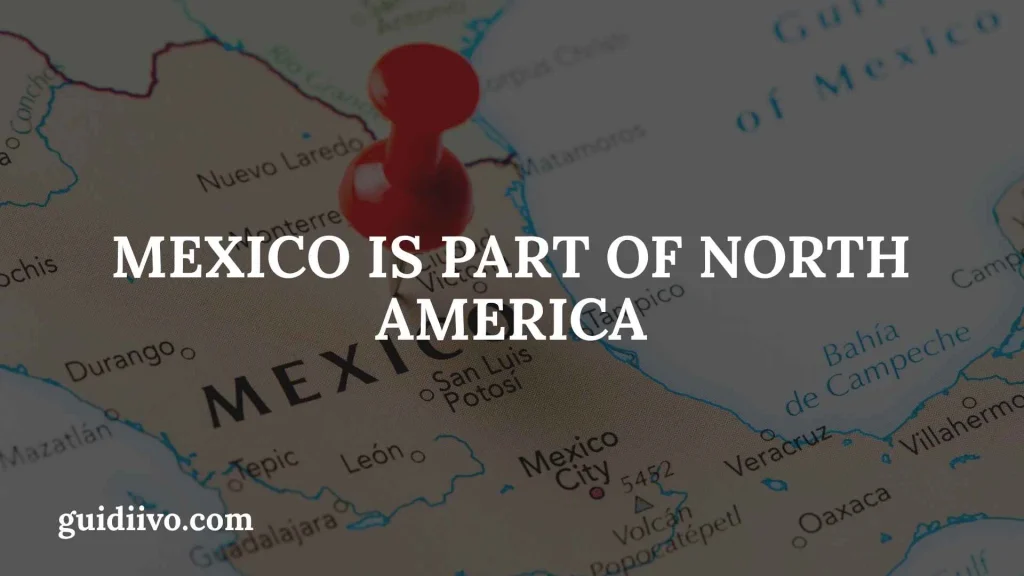
The Fact: Mexico belongs geographically to North America, along with Canada and the United States. It borders the United States to the north and Guatemala and Belize to the southeast.
Why It Matters: People sometimes describe Mexico only as part of Latin America or Central America. Latin America is a cultural region, while North America is a geographic continent.
Did You Know? Mexico connects temperate North American environments with tropical ecosystems farther south.
Additional Context: This position has made the country a major route for human migration, wildlife movement, trade, and cultural exchange for thousands of years.
3. Mexico Is One of the World’s Most Populous Countries
The Fact: The World Bank estimated Mexico’s 2025 population at about 131.9 million, making it one of the most populous nations in the world.
Why It Matters: Mexico’s population gives it major cultural, political, and economic influence across the Americas.
Did You Know? Approximately four out of five Mexicans live in urban areas. The World Bank reported an urban population share of about 80 percent in 2025.
Additional Context: Mexico City, Guadalajara, Monterrey, Puebla, and Tijuana are among the country’s leading metropolitan centers.
4. Mexico City Was Built Over an Ancient Capital
The Fact: Mexico City stands on and around the remains of Tenochtitlan, the capital of the Mexica Empire. The Mexica founded the city on an island in Lake Texcoco in the 14th century.
Why It Matters: Modern streets, buildings, and archaeological remains overlap in one of the world’s most historically layered capitals.
Did You Know? Workers regularly uncover pre-Hispanic objects and structures during construction projects.
Additional Context: The Templo Mayor archaeological site, located near Mexico City’s cathedral, reveals how the colonial capital was built directly over the ceremonial heart of Tenochtitlan.
5. Tenochtitlan Was Once One of the World’s Largest Cities
The Fact: By the early 1500s, Tenochtitlan was a highly organized city containing temples, markets, canals, causeways, neighborhoods, gardens, and public buildings.
Why It Matters: Its scale challenges the mistaken belief that the Americas lacked large, sophisticated urban centers before European colonization.
Did You Know? Spanish witnesses described an enormous market at Tlatelolco where thousands of people traded food, textiles, pottery, tools, and luxury goods.
Additional Context: The city’s water-based transportation network and carefully planned causeways impressed Europeans who had never seen anything similar.
6. Mexico Was Home to Several Major Civilizations
The Fact: Mexico’s ancient history includes the Olmec, Maya, Zapotec, Mixtec, Totonac, Toltec, Purépecha, Teotihuacan, and Mexica civilizations, among many others.
Why It Matters: Mexican history cannot be reduced to a single people or empire. Different societies developed distinct languages, governments, religious practices, architectural styles, and artistic traditions.
Did You Know? Some civilizations overlapped in time, while others were separated by centuries.
Additional Context: Their descendants still live throughout Mexico, preserving languages, farming methods, ceremonies, crafts, and community identities that connect the present with the ancient past.
7. The Maya Civilization Did Not Disappear
The Fact: Millions of Maya people live today in Mexico, Guatemala, Belize, and neighboring areas. They speak several related languages and maintain diverse local traditions.
Why It Matters: Saying that the Maya “vanished” confuses the decline of certain ancient political centers with the disappearance of an entire people.
Did You Know? Maya communities resisted colonial control for centuries, and some independent Maya territories survived long after the Spanish conquest began.
Additional Context: Modern Maya identity includes traditional agriculture, weaving, religious practices, political activism, education, and participation in contemporary urban life.
8. Mexico Has Dozens of Indigenous Languages
The Fact: Mexico is one of the most linguistically diverse countries in the Americas. Indigenous language families include Mayan, Mixe-Zoquean, Oto-Manguean, Totonacan, and Uto-Aztecan.
Why It Matters: Each language carries distinct knowledge about history, plants, landscapes, medicine, agriculture, and community relationships.
Did You Know? Nahuatl, Maya, and Tseltal are among the most widely spoken Indigenous languages. Government data recorded more than 1.6 million Nahuatl speakers.
Additional Context: Many languages contain multiple regional varieties, so counting “languages” can differ depending on linguistic classification.
9. Spanish Is Widely Spoken but Is Not the Only National Language
The Fact: Spanish is the dominant language used in government, education, business, and national media, but Mexico legally recognizes Indigenous languages as part of its national linguistic heritage.
Why It Matters: Describing Spanish as Mexico’s only official language overlooks the rights and identities of Indigenous communities.
Did You Know? Some government publications are translated into major Indigenous languages. Mexico’s 2024 national review of the Sustainable Development Goals was translated into Nahuatl and Maya.
Additional Context: Language access remains an important issue in education, health care, justice, and public administration.
10. Mexico Is a Megadiverse Country
The Fact: Mexico is recognized as one of the world’s megadiverse nations, meaning it contains an exceptionally large share of Earth’s species and ecosystems.
Why It Matters: Its conservation policies affect globally important forests, deserts, reefs, wetlands, mountains, and migration routes.
Did You Know? Mexico’s biodiversity comes partly from its position between temperate and tropical biological regions.
Additional Context: Elevation changes also create highly varied habitats. A short geographic distance may include coastal mangroves, dry forest, pine-covered mountains, cloud forest, and alpine environments.
11. Mexico Contains Deserts, Rainforests, Volcanoes, and Coral Reefs
The Fact: Mexico’s landscape is remarkably varied. Northern regions include the Sonoran and Chihuahuan deserts, while southern areas contain tropical forests and wetlands.
Why It Matters: This environmental range supports different wildlife, farming systems, architectural traditions, and regional cuisines.
Did You Know? Mexico also has coral reefs in both the Caribbean Sea and the Pacific region.
Additional Context: The country lies between the Pacific Ocean, Gulf of Mexico, Caribbean Sea, and Gulf of California, giving it thousands of kilometers of coastline and extensive marine biodiversity.
12. The Gulf of California Is Sometimes Called the “Aquarium of the World”
The Fact: The Gulf of California, also known as the Sea of Cortez, lies between the Baja California Peninsula and mainland Mexico. It supports whales, dolphins, sea turtles, rays, seabirds, and hundreds of fish species.
Why It Matters: The region is one of the planet’s richest marine environments.
Did You Know? Explorer Jacques Cousteau is widely associated with popularizing the phrase “aquarium of the world.”
Additional Context: Several islands and protected areas in the gulf form part of a UNESCO-listed natural property, although marine wildlife remains threatened by fishing pressure and habitat disturbance.
13. The World’s Smallest Porpoise Lives Only in Mexico
The Fact: The vaquita is a tiny porpoise found only in the northern Gulf of California.
Why It Matters: It is considered one of the world’s most endangered marine mammals. Accidental entanglement in fishing nets has caused its population to collapse.
Did You Know? Vaquitas were scientifically described only in the 1950s, making them relatively recent additions to formal zoological knowledge.
Additional Context: Protecting them requires more than declaring a reserve. Conservation efforts must also address illegal fishing, local livelihoods, enforcement, and demand for other species caught in the same waters.
14. Monarch Butterflies Migrate to Mexico by the Millions
The Fact: Each year, monarch butterflies from Canada and the United States travel thousands of kilometers to mountain forests in central Mexico.
Why It Matters: Their migration is one of the most extraordinary insect journeys on Earth.
Did You Know? No single butterfly completes the entire round trip. Several generations take part in the annual cycle.
Additional Context: The Monarch Butterfly Biosphere Reserve protects major wintering sites in Michoacán and the State of Mexico. The butterflies depend on cool, sheltered oyamel fir forests, which are vulnerable to climate change, logging, and severe weather.
15. Mexico Has More Than 30 UNESCO World Heritage Properties
The Fact: UNESCO reported in late 2025 that Mexico had 36 properties inscribed on the World Heritage List.
Why It Matters: These sites represent archaeological cities, historic centers, cultural landscapes, natural reserves, monasteries, roads, caves, and industrial heritage.
Did You Know? Mexico has one of the largest concentrations of World Heritage properties in the Americas.
Additional Context: Famous examples include Chichén Itzá, Teotihuacan, Palenque, Oaxaca, Xochimilco, the historic center of Puebla, and the whale sanctuary of El Vizcaíno.
16. Chichén Itzá Was More Than a Ceremonial Center
The Fact: Chichén Itzá was a major Maya political, religious, economic, and urban center on the Yucatán Peninsula.
Why It Matters: Its buildings show interactions among Maya communities and other Mesoamerican traditions.
Did You Know? The famous stepped pyramid is commonly called El Castillo, but its formal archaeological name is the Temple of Kukulcán.
Additional Context: Popular claims about perfect serpent-shaped shadows during the equinox are often exaggerated. Light and shadow effects occur over a broader period, and researchers debate how intentionally they were designed.
17. Teotihuacan Was Not Built by the Mexica
The Fact: Teotihuacan reached its height centuries before the rise of the Mexica Empire.
Why It Matters: The Mexica later visited the abandoned city and gave it the Nahuatl name by which it is now known.
Did You Know? The original name of Teotihuacan and the language spoken by its founders remain uncertain.
Additional Context: At its peak, the city contained enormous pyramids, apartment compounds, workshops, murals, temples, and long-distance trade connections. It was among the largest urban centers in the ancient world.
18. Mexico Gave the World Chocolate
The Fact: Cacao was consumed in Mesoamerica long before modern chocolate bars existed. Ancient peoples prepared cacao as a drink, often mixing it with water, spices, or maize.
Why It Matters: Global chocolate culture developed from Indigenous American knowledge and crops.
Did You Know? The English word “chocolate” is linked to terms used in Mesoamerican languages, although its precise linguistic pathway is debated.
Additional Context: Europeans added large amounts of sugar and later developed solid chocolate products. Modern chocolate therefore combines Mesoamerican cacao traditions with later European processing methods.
19. Maize Was Domesticated in Ancient Mexico
The Fact: Maize, commonly called corn in the United States, developed through thousands of years of selective cultivation from a wild grass related to teosinte.
Why It Matters: Maize became one of humanity’s most important food crops and now feeds people and livestock across the world.
Did You Know? Mexico still contains extraordinary diversity in traditional maize varieties.
Additional Context: Different types are adapted to particular climates, soils, elevations, colors, tastes, and cooking methods. Preserving this diversity helps protect food security, cultural identity, and genetic resources needed for future agriculture.
20. Traditional Tortilla Making Uses an Ancient Chemical Process
The Fact: Traditional maize tortillas begin with nixtamalization, a process in which dried maize is cooked and soaked in an alkaline solution, usually limewater.
Why It Matters: Nixtamalization improves flavor, softens the grain, makes dough formation possible, and increases the body’s access to certain nutrients.
Did You Know? Populations that adopted maize without this preparation sometimes developed nutritional deficiencies.
Additional Context: The process demonstrates the scientific value of Indigenous food knowledge. It is not merely a recipe step but a carefully developed transformation involving chemistry, nutrition, texture, and storage.
21. Tomatoes Originated in the Americas
The Fact: Wild tomato ancestors originated in western South America, but domestication and cultivation occurred in Mesoamerica before Europeans encountered the plant.
Why It Matters: Mexico played a major role in turning the tomato into a cultivated food that later transformed Italian, Mediterranean, and global cuisine.
Did You Know? The English word “tomato” comes through Spanish from the Nahuatl word tomatl.
Additional Context: Europeans initially viewed tomatoes with suspicion. Over time, they became essential ingredients in sauces, soups, salads, curries, sandwiches, and countless regional dishes.
22. Vanilla Originated in Mexico
The Fact: Vanilla comes from an orchid native to Mexico and parts of Central America. The Totonac people cultivated and valued it before Spanish colonization.
Why It Matters: Vanilla is now one of the world’s most familiar flavors, but its production remains labor-intensive.
Did You Know? Outside its native ecosystem, vanilla flowers often require hand pollination.
Additional Context: The natural pollinators found in Mexico were not present in many overseas growing regions. A hand-pollination method developed in the 19th century allowed commercial vanilla production to spread to islands such as Madagascar.
23. Chilies Were Domesticated Thousands of Years Ago
The Fact: Mexico is a major center of chili pepper domestication and diversity. Varieties range from mild poblanos to intensely hot habaneros and tiny chiltepíns.
Why It Matters: Chilies shape regional cuisines through flavor, aroma, color, preservation, and heat.
Did You Know? A dried chili may have a different name from its fresh form. A fresh poblano becomes an ancho when dried, while a jalapeño may become a chipotle when smoked and dried.
Additional Context: Mexican cooking uses chilies for complexity, not simply to make food painfully hot.
24. Mexican Cuisine Is Recognized as Intangible Cultural Heritage
The Fact: UNESCO recognizes traditional Mexican cuisine, especially the community-based food culture associated with Michoacán, as intangible cultural heritage.
Why It Matters: The recognition covers agricultural knowledge, rituals, cooking skills, utensils, community participation, and food traditions, not one single dish.
Did You Know? The system centers on maize, beans, and squash, sometimes called the “Three Sisters” in broader Indigenous agricultural contexts.
Additional Context: Traditional markets, home kitchens, communal celebrations, milpa farming, tortilla making, and regional sauces all contribute to Mexico’s living culinary heritage.
25. The Taco Is a Category, Not One Fixed Recipe
The Fact: A taco is broadly a tortilla folded or wrapped around a filling. Its ingredients vary greatly by region.
Why It Matters: Treating all tacos as the same dish ignores Mexico’s geographic and cultural diversity.
Did You Know? Tacos may contain grilled beef, stewed pork, fish, shrimp, mushrooms, cactus, potatoes, goat, insects, or slow-cooked lamb.
Additional Context: Coastal Baja California is famous for fish tacos, northern states favor flour tortillas and beef, and central Mexico is closely associated with tacos al pastor, barbacoa, and carnitas.
26. Tacos al Pastor Reflect Global Migration
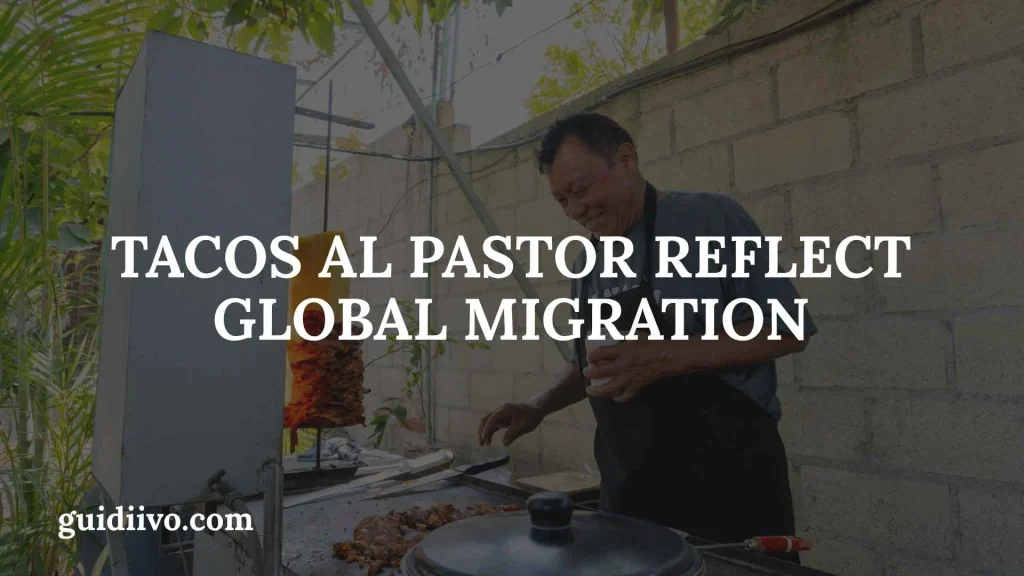
The Fact: Tacos al pastor developed partly from cooking techniques introduced by Lebanese migrants to Mexico during the late 19th and early 20th centuries.
Why It Matters: The dish shows how migration creates new cultural traditions rather than simply replacing old ones.
Did You Know? Its vertical spit resembles the equipment used for shawarma.
Additional Context: Mexican cooks adapted the method by using marinated pork, chilies, tortillas, onions, cilantro, and sometimes pineapple. The result is now seen as distinctly Mexican despite its international roots.
27. Day of the Dead Is Not “Mexican Halloween”
The Fact: Día de Muertos is a period of remembrance in which families honor deceased relatives through altars, flowers, food, candles, photographs, cemetery visits, and prayer.
Why It Matters: Calling it Mexican Halloween overlooks its emotional, spiritual, Indigenous, Catholic, and family-centered meanings.
Did You Know? Traditions differ widely by region and community.
Additional Context: Marigolds, known as cempasúchil, are strongly associated with the celebration. Their color and scent are often said to guide spirits, although beliefs and practices vary among families.
28. Cinco de Mayo Is Not Mexico’s Independence Day
The Fact: Cinco de Mayo commemorates the Mexican victory over French forces at the Battle of Puebla on May 5, 1862.
Why It Matters: Mexico’s Independence Day is celebrated on September 16, marking the beginning of the independence movement in 1810.
Did You Know? Cinco de Mayo is often celebrated more widely in the United States than in most of Mexico.
Additional Context: In Mexico, the date has special importance in Puebla. Its international popularity grew through Mexican American community celebrations and later commercial promotion.
29. Mexico’s Independence Struggle Lasted More Than a Decade
The Fact: The independence movement began in 1810 and ended in 1821.
Why It Matters: Independence was not achieved in a single battle or speech. It involved shifting alliances, regional conflicts, social demands, military campaigns, and political negotiation.
Did You Know? Miguel Hidalgo’s famous call to action is remembered through the annual Grito de Dolores ceremony.
Additional Context: Mexico’s president reenacts the call on the evening of September 15, followed by bells, flags, fireworks, music, and public celebrations.
30. The Mexican Flag Tells an Origin Story
The Fact: Mexico’s flag shows an eagle standing on a cactus while holding a snake in its beak and talon.
Why It Matters: The image connects the modern nation with the Mexica foundation story of Tenochtitlan.
Did You Know? According to tradition, the Mexica were told to establish their city where they found an eagle on a cactus.
Additional Context: The emblem has changed in style over time. The current flag combines green, white, and red vertical bands with the national coat of arms in the center.
31. Mexico Has the World’s Largest Pyramid by Volume
The Fact: The Great Pyramid of Cholula in Puebla is generally considered the world’s largest pyramid by total volume.
Why It Matters: It is less visually obvious than the Great Pyramid of Giza because vegetation and later construction cover much of it.
Did You Know? A Spanish colonial church stands at the top of the pyramid complex.
Additional Context: The site developed through multiple building stages over many centuries. Its layered construction reflects long-term religious importance rather than one ruler’s single building project.
32. Mexico Has Active Volcanoes
The Fact: Mexico lies within a tectonically active region that includes the Trans-Mexican Volcanic Belt.
Why It Matters: Volcanoes have shaped the country’s land, soils, settlement patterns, legends, and disaster planning.
Did You Know? Popocatépetl, near Mexico City and Puebla, remains active and is closely monitored.
Additional Context: Its name comes from Nahuatl and is commonly translated as “Smoking Mountain.” Nearby Iztaccíhuatl, whose outline resembles a reclining figure, is linked with one of Mexico’s best-known volcanic legends.
33. Pico de Orizaba Is Mexico’s Highest Mountain
The Fact: Pico de Orizaba, also called Citlaltépetl, rises more than 5,600 meters above sea level and is Mexico’s highest peak.
Why It Matters: It is also one of the highest volcanoes in North America.
Did You Know? The Nahuatl name Citlaltépetl is often translated as “Star Mountain.”
Additional Context: The mountain’s glaciers have declined over time. Their retreat reflects changing temperatures and affects scientific understanding of high-altitude ecosystems, regional water systems, and long-term climate patterns.
34. Mexico City Is Sinking in Some Areas
The Fact: Parts of Mexico City are sinking because groundwater extraction compresses the soft sediments beneath the former lakebed.
Why It Matters: Subsidence can damage roads, buildings, pipelines, drainage systems, and historic structures.
Did You Know? The rate is not uniform. Some districts sink much faster than areas built on firmer ground.
Additional Context: The problem is linked to the city’s history. Tenochtitlan was built within a lake system, but centuries of drainage and urban expansion transformed the landscape while leaving unstable clay-rich soils below.
35. Mexico Is Both Ancient and Highly Modern
The Fact: Mexico combines archaeological sites, Indigenous traditions, colonial cities, major industries, digital businesses, universities, film studios, advanced manufacturing, and enormous urban centers.
Why It Matters: Stereotypes often freeze Mexico in the past or reduce it to tourism and folklore.
Did You Know? Mexico is a major producer of vehicles, electronics, medical devices, aerospace components, agricultural products, and creative media.
Additional Context: Its modern identity is not separate from its history. Contemporary Mexican culture continually reshapes older traditions through design, music, language, migration, technology, architecture, and public life.
Timeline of Important Events in Mexican History
| Date | Milestone |
| Before 1500 BCE | Early farming communities develop across Mesoamerica |
| Around 1200–400 BCE | Olmec cultural centers flourish |
| Around 100 BCE–550 CE | Teotihuacan becomes a major urban power |
| 250–900 CE | Many Classic Maya cities reach their height |
| 1325 | Traditional founding date of Tenochtitlan |
| 1521 | Tenochtitlan falls to Spanish-led forces |
| 1535 | Viceroyalty of New Spain is established |
| September 16, 1810 | Mexican independence movement begins |
| 1821 | Mexican independence is achieved |
| 1846–1848 | Mexican-American War |
| 1857 | Liberal federal constitution is adopted |
| 1862 | Mexico defeats French troops at the Battle of Puebla |
| 1876–1911 | Porfirio Díaz dominates national politics |
| 1910 | Mexican Revolution begins |
| 1917 | Present federal constitution is promulgated |
| 1938 | Mexico nationalizes its oil industry |
| 1968 | Mexico City hosts the Summer Olympics |
| 1994 | North American Free Trade Agreement takes effect |
| 2020 | National census counts more than 126 million residents |
| 2025 | World Bank population estimate reaches about 131.9 million |
Mexico Statistics
| Statistic | Figure | Reference Year |
| Population | 131,946,900 | 2025 |
| Urban population | About 80% | 2025 |
| Life expectancy | About 75 years | 2024 |
| GDP | About $1.83 trillion | 2025 |
| GDP per person | About $13,889 | 2025 |
| Forest area | About 33.6% of land | 2023 |
| Electricity access | About 99.7% | 2023 |
| Internet use | About 83% of the population | 2025 |
| UNESCO World Heritage properties | 36 | 2025 |
| States | 31, plus Mexico City | Current |
Economic, population, environmental, and social figures are based on the latest values displayed by the World Bank and UNESCO and may be revised as new data becomes available.
Myth vs Fact About Mexico
| Myth | Fact |
| Mexico is part of South America | Mexico is geographically part of North America |
| Cinco de Mayo is Independence Day | Independence Day is September 16 |
| Everyone in Mexico speaks only Spanish | Millions speak Indigenous languages |
| Mexico is mostly desert | It contains deserts, forests, wetlands, mountains, reefs, and tropical jungles |
| The Maya disappeared | Maya communities and languages remain alive today |
| All Mexican food is extremely spicy | Heat levels vary widely by dish and region |
| Day of the Dead is Mexican Halloween | It is a remembrance tradition with distinct cultural and spiritual roots |
| The Mexica built Teotihuacan | Teotihuacan was already ancient when the Mexica encountered it |
| Mexican culture is culturally uniform | Every region has different foods, accents, histories, music, and traditions |
| Sombreros are everyday national clothing | Large decorative sombreros belong to particular traditions and performances, not universal daily dress |
Common Misconceptions About Mexico

Mexico Has One Single Culture
Mexico contains many regional and Indigenous cultures. Life in Yucatán differs from life in Sonora, Oaxaca, Veracruz, Jalisco, or Baja California. Food, architecture, climate, vocabulary, music, clothing, and local identity can change dramatically across state borders.
Ancient Mexico Was Ruled by One Empire
The Mexica controlled a powerful empire shortly before Spanish colonization, but they were only one of many Mesoamerican societies. Maya states, Purépecha territory, Mixtec kingdoms, Zapotec communities, and numerous independent peoples had their own political systems.
Mexican Food Means Tacos and Burritos
Tacos are important, but Mexican cuisine also includes mole, pozole, tamales, birria, cochinita pibil, tlayudas, seafood stews, regional breads, cactus dishes, soups, cheeses, and thousands of salsas. The modern burrito is particularly associated with northern Mexico and Mexican American food traditions.
Mexico Is Either Dangerous or a Vacation Paradise
Both images are oversimplified. Mexico is a large country with significant differences in security, wealth, infrastructure, environmental conditions, and daily life. Responsible understanding requires evaluating particular cities, states, routes, and circumstances rather than treating the entire country as one uniform place.
Why Mexico Matters Today
Mexico matters because it connects North America, Latin America, the Caribbean, the Pacific, and the Atlantic world. It is a major trading nation, cultural producer, manufacturing center, tourism destination, agricultural region, and biodiversity hotspot.
Its ecosystems support migratory animals shared with other countries. Its factories and farms contribute to international supply chains. Mexican music, cinema, food, art, literature, and language influence audiences far beyond its borders.
Mexico also offers important lessons about urbanization, water management, Indigenous rights, heritage conservation, migration, climate adaptation, and food security. Understanding Mexico therefore helps readers understand broader global issues, not simply one country.
Related Discoveries and Connections
Mexico’s history is closely connected with the wider region known as Mesoamerica, which extended beyond modern national borders into parts of Central America. Studying Mexico naturally leads to related subjects such as Maya astronomy, Nahuatl literature, the domestication of maize, Spanish colonial architecture, the transatlantic exchange of crops, and the Mexican Revolution.
Its environmental story connects with monarch butterfly migration, desert ecology, coral reef conservation, volcano monitoring, and marine mammal protection.
Mexican culture also influenced muralism, modern architecture, photography, cinema, folk art, fashion, and global cuisine. Figures such as Frida Kahlo, Diego Rivera, Sor Juana Inés de la Cruz, Octavio Paz, Juan Rulfo, and Guillermo del Toro represent only a small part of the country’s creative legacy.
Expert Insights: How to Understand Mexico More Accurately
The best way to understand Mexico is to think regionally rather than relying on national stereotypes. Geography strongly influences local identity. Northern ranching areas, central highland cities, Gulf Coast communities, Pacific fishing towns, Maya regions, and southern mountain villages developed under different environmental and historical conditions.
Language also matters. Many familiar English words, including chocolate, tomato, avocado, coyote, and chili, entered global vocabulary through Spanish from Indigenous languages, especially Nahuatl.
Finally, culture should be understood as living and changing. Traditions are not museum objects. Mexican communities continually adapt food, music, ceremonies, art, and language to migration, technology, tourism, environmental change, and modern social life.
Frequently Asked Questions
What is the most interesting fact about Mexico?
One of the most remarkable facts is that Mexico combines extraordinary cultural and biological diversity. It contains ancient urban centers, dozens of Indigenous languages, active volcanoes, tropical forests, deserts, coral reefs, globally important foods, and more than 30 UNESCO World Heritage properties within one country.
What is Mexico best known for?
Mexico is known for its ancient civilizations, regional cuisines, beaches, archaeological sites, music, visual arts, Day of the Dead traditions, colonial cities, biodiversity, and large modern urban centers. Internationally recognized foods include tacos, mole, tamales, chocolate, maize-based dishes, vanilla, chilies, and tomatoes.
Is Mexico in North America or Central America?
Mexico is geographically in North America. It lies south of the United States and north of Guatemala and Belize. It is also part of Latin America, a broader cultural and linguistic region that includes much of the Americas where Romance languages are widely spoken.
What language do people speak in Mexico?
Spanish is the most widely spoken language, but Mexico is multilingual. Millions of people speak Indigenous languages such as Nahuatl, Maya, Tseltal, Mixtec, Zapotec, Otomí, and Tsotsil. Some residents also speak English, German, Arabic, and other languages shaped by migration and regional history.
What food was invented in Mexico?
Mexico and ancient Mesoamerican societies contributed maize tortillas, tamales, many chili-based preparations, cacao drinks, nixtamalized maize foods, and numerous dishes built around beans, squash, tomatoes, avocados, and herbs. Modern recipes evolved over centuries through Indigenous, European, African, Middle Eastern, and Asian influences.
Is Cinco de Mayo a major holiday throughout Mexico?
Cinco de Mayo commemorates the 1862 Battle of Puebla. It is especially important in Puebla but is not Mexico’s national independence celebration. September 16 is Independence Day. Cinco de Mayo became particularly prominent in the United States through Mexican American cultural celebrations.
Why does Mexico have so many earthquakes and volcanoes?
Mexico lies where several tectonic plates interact, including the North American, Cocos, Pacific, Rivera, and Caribbean plates. Subduction and crustal movement create earthquakes, mountain systems, and volcanoes. Risk varies by region, and national agencies monitor seismic and volcanic activity.
How many UNESCO World Heritage properties does Mexico have?
UNESCO reported that Mexico had 36 World Heritage inscriptions in late 2025. They include cultural, natural, and mixed properties, ranging from ancient cities and colonial centers to biosphere reserves and cultural landscapes. The total can change when new properties are added.
Why is Mexican cuisine considered so diverse?
Mexican cuisine reflects varied climates, crops, Indigenous cultures, migration histories, and local techniques. Coastal areas use seafood, northern regions favor wheat and beef, central Mexico features maize and complex sauces, and southern states preserve strong Maya, Zapotec, Mixtec, and other Indigenous traditions.
What should visitors understand before traveling to Mexico?
Visitors should remember that Mexico is large and regionally diverse. Weather, elevation, transportation, customs, security, and food can differ significantly by destination. Learning basic Spanish, respecting archaeological sites, supporting local businesses, and checking current official travel information can improve the experience.
Key Takeaways
- Mexico is geographically part of North America and culturally part of Latin America.
- Its official name is the United Mexican States.
- The country’s 2025 population was estimated at about 131.9 million.
- Mexico contains 31 states plus Mexico City.
- Ancient Mexico included many civilizations, not only the Maya and Mexica.
- Millions of Indigenous people and speakers of Indigenous languages live in Mexico today.
- Mexico is one of the world’s megadiverse countries.
- Maize, vanilla, chilies, cacao, and tomatoes have deep historical connections to Mexico.
- Día de Muertos is not the same as Halloween.
- Cinco de Mayo is not Mexican Independence Day.
- Mexico contains 36 UNESCO World Heritage properties.
- Its regional differences are essential to understanding its culture accurately.
- Mexico remains globally important in trade, manufacturing, food, art, biodiversity, and migration.
Conclusion
These interesting facts about Mexico show a nation shaped by remarkable continuity and change. Ancient cities exist beneath modern streets, Indigenous languages survive alongside global industries, and traditional farming knowledge continues to influence the foods eaten around the world.
Mexico cannot be understood through one stereotype, one dish, or one historical period. It is a collection of regions, communities, ecosystems, and cultural traditions linked by a complex national story.
The more closely people study Mexico, the more surprising it becomes. Its history reveals human creativity, its landscapes demonstrate extraordinary natural diversity, and its living cultures continue to shape the modern world.